What a space maintainer does
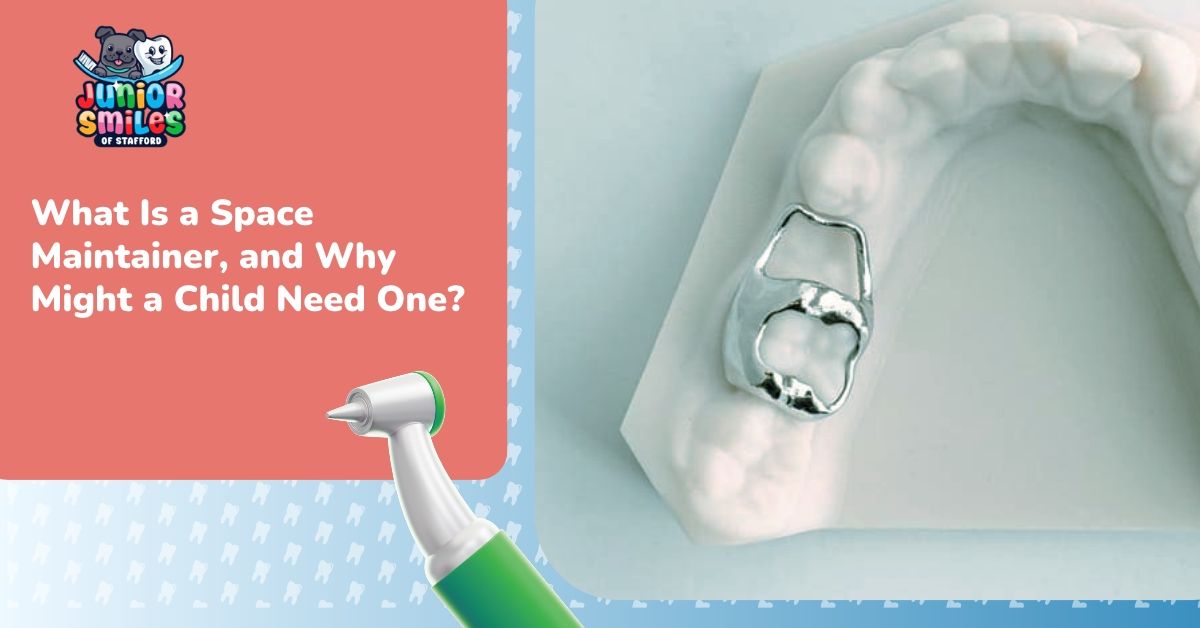
Its purpose is to hold space. Depending on the situation, the appliance may be fixed in place or removable. The dentist chooses a design based on which teeth are missing and the teeth available to support it.
A space maintainer is different from the small orthodontic separators sometimes called “spacers.” Separators temporarily create room between teeth before certain orthodontic appliances are fitted. A space maintainer helps preserve an existing gap after tooth loss. Confusing the two can lead to the wrong expectations about care and duration.
Our space maintainer service page introduces the treatment. This guide focuses on the questions to discuss when a recommendation is made for your child.

Why two children can need different plans
The dentist considers which tooth was lost, how long ago it was lost, the space remaining, and the development of the permanent replacement. The condition of the other teeth and the child’s ability to manage the appliance also matter.
Ask the dentist to point out the missing tooth and explain what they expect next. “Is the adult tooth close to coming through?” and “Has any space already been lost?” are more helpful questions than comparing your child’s age with a friend’s.
If an extraction is being discussed, ask about the spacing plan at the same visit. Our tooth extraction page explains when removal may be considered. Needing an extraction does not automatically mean needing a space maintainer.
How long does a space maintainer stay in
There is no single schedule for every child. The duration depends on the developing teeth and why the appliance was placed. It may remain for months or longer, with checks to determine whether it still serves its purpose.
Ask for an initial follow-up plan and the signs the dentist will use to decide on removal. Do not remove a fixed appliance yourself when you notice a new tooth. Call so the dentist can assess the eruption and appliance together.
Space maintenance also does not guarantee that a child will never need orthodontic treatment. Preserving a particular gap addresses one part of a developing bite.
Daily care and problems to report
Follow the cleaning demonstration and food guidance for the appliance your child receives. Ask the team to watch you or your child demonstrate the routine before leaving. A removable appliance also needs clear instructions about wear and storage.
Report an appliance that becomes loose, breaks, presses into the gums, or makes eating uncomfortable. Do not bend it back into place or use household glue. Keep a detached appliance safely in a container and ask the office what to do next.
Tell the dentist if the routine is not working at home. A problem with cleaning or wear is information needed to manage the plan, not something to hide until the next checkup.
Preparing a hesitant child for the visit
Dr. Pope’s video about children who will not open their mouths describes explaining, showing, and gradually introducing care. If your child is worried about an unfamiliar appliance, ask the team to explain and demonstrate what they can before starting.
Tell the team what your child finds difficult and ask how the appointment will be introduced. Avoid promising that there will be no unfamiliar sensations. A simple explanation of what the dentist will show them is more useful.
Fixed and removable appliances have different responsibilities
A fixed space maintainer is secured to teeth and stays in place between visits. A removable design is taken out according to the dentist’s instructions. Neither option is chosen only for convenience; the missing tooth pattern, support teeth, development, and ability to manage care all affect the recommendation.
For a fixed appliance, ask where food may collect and how to clean those areas. For a removable one, ask when it should be worn, how to remove it, and how to store it safely. Have the dentist explain who should supervise those steps at home.
The AAPD’s guidance on developing dentition discusses different space-management approaches. A familiar appliance name from another child’s experience is not enough to choose the design for your child.
Why follow-up matters even when the appliance feels fine
A space maintainer remains in a changing mouth. The dentist needs to check its attachment, the supporting teeth, the surrounding tissues, and the eruption of permanent teeth. Follow-up can identify a developing problem before the child complains.
The AAPD’s detailed recommendations discuss possible complications, including plaque accumulation, breakage, and interference with eruption. This is why placement is followed by monitoring rather than leaving the appliance indefinitely.
At each visit, ask whether the expected removal timing has changed. If the family is moving, obtain the appliance history and next review date for the receiving dentist. Do not wait for pain or a visibly loose wire before arranging continued care.

Common questions about a space maintainer
Does every baby tooth lost early need one
No. The location, remaining space, and stage of the permanent tooth all affect the decision. Ask what problem the dentist expects the appliance to prevent. If monitoring is recommended instead, ask what will be checked and when. Both a treatment plan and an observation plan should have a clear purpose.
Can a space maintainer recover space that has already closed
Holding an available gap is different from regaining space that has been lost. If neighboring teeth have moved, the dentist may need to discuss a different approach or an orthodontic opinion. Ask whether the goal is to maintain current space or actively change tooth position.
Will the appliance guarantee straight adult teeth
No. It addresses a particular spacing concern, while later alignment also depends on other features of development. Ask what benefit is expected in your child’s case and what limitations remain. Avoid judging success only by whether the child eventually needs braces; the immediate goal is preserving the space the dentist has identified.
Leave with a clear monitoring plan
Before leaving, confirm the next check, the cleaning routine, and whom to contact if the appliance changes. Ask how care would be transferred if your family moves while it is still in place.
Learn about Dr. Zeina Estephan and Dr. Angelo Pope Jr. and bring your questions to the visit. A useful recommendation explains why the appliance is appropriate for this tooth at this stage.